The Total Automobile Upkeep Overview: What Every Chauffeur Must Know
A car rarely breaks down out of no place. Almost every roadside emergency– a dead battery, a blown tire, an overheating engine– has a backstory of small indication that got neglected. The bright side is that the majority of upkeep doesn’t require a technician’s tool kit or a weekend break of your time. It needs a regular. This guide goes through precisely what to inspect, how usually, and why it matters, so you can keep your lorry trusted without transforming car care into a second job.
Why Regimen Upkeep Spends For Itself
Skipping an oil modification or overlooking a squeaky brake may save you a mid-day today, yet it generally sets you back more later. An overlooked timing belt can ruin an engine. A used brake pad can trash a blades. A low tire can burn out at highway rate. Preventative maintenance is cheap insurance– it trades little, foreseeable prices now for the evasion of large, unpredictable ones later.Join Us https://verdict.reviewbay.workers.dev/reviews/safetyrestorecom website
The Core Maintenance Set Up
Every car is different, and you need to always defer to your proprietor’s handbook, yet the table listed below shows general industry support that relates to a lot of gasoline-powered cars.
| Task | Common Period | Why It Matters |
|---|---|---|
| Oil and filter change | Every 5,000– 7,500 miles (synthetic oil can stretch this additional) | Old oil sheds lubricating properties, enhancing engine wear |
| Tire turning | Every 5,000– 7,500 miles | Advertises even tread wear and extends tire life |
| Air filter substitute | Every 12,000– 15,000 miles | A stopped up filter lowers air movement and fuel effectiveness |
| Brake pad evaluation | Every 10,000– 12,000 miles | Worn pads raise stopping range and can damage blades |
| Coolant flush | Every 30,000 miles or 2– 5 years | Protects against overheating and rust in the air conditioning system |
| Battery check | Every 2– 4 years | Batteries deteriorate with age and temperature extremes |
| Timing belt (if furnished) | Every 60,000– 100,000 miles | A snapped belt can trigger devastating engine damages |
Regular Monthly Checks You Can Do Yourself
You don’t need to wait on a scheduled service to catch problems early. A few five-minute checks monthly can flag problems before they end up being expensive.
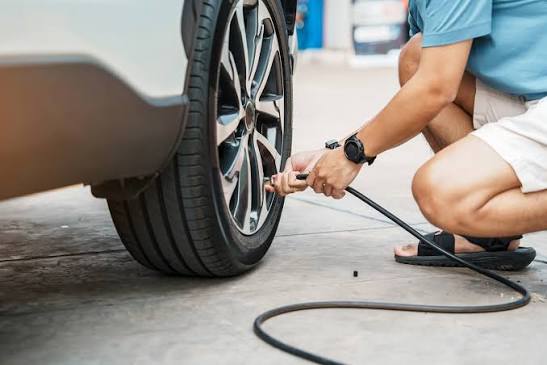
- Tire stress: Inspect when tires are chilly, utilizing the stress noted on the motorist’s door jamb, not the number published on the tire sidewall.
- Walk depth: The traditional penny test still works– place a cent right into the step groove with Lincoln’s head upside down; if you can see the top of his head, it’s time to change the tire.
- Fluid levels: Examine engine oil, coolant, brake liquid, and windshield washer liquid. Reduced degrees can signify a leak.
- Lights: Walk the car with the engine running and inspect fronts lights, brake lights, directional signal, and turn around lights.
- Wiper blades: Spotting or skipping typically indicates it’s time for a substitute– normally every 6– year.
Warning Signs You Ought To Never Ever Disregard
Dashboard Lights
The check engine light is the most misinterpreted indication on the dashboard. It can indicate anything from a loose gas cap to a failing catalytic converter. If it’s blinking as opposed to constant, that normally suggests an active misfire– pull over and get it scanned immediately rather than remaining to drive.
Appears and Scents
- Grinding when stopping: Commonly indicates the brake pads are fully put on and steel is contacting steel.
- Wonderful odor: Typically suggests a coolant leak.
- Burning smell: Could be an oil leakage dripping onto a hot engine component, or an overheating clutch.
- Squealing belt: Typically a loose or used serpentine belt.
Seasonal Maintenance Issues Also
Autos function harder in extreme weather, and a little seasonal list protects against most weather-related break downs.
- Before winter season: Test the battery (cold weather is ruthless on maturing batteries), check antifreeze focus, and button to winter-rated wiper liquid if you live somewhere that freezes.
- Before summer journey: Inspect coolant degrees and tubes, considering that getting too hot is one of the most common warm-weather malfunction, and confirm tire stress considering that heat enhances stress and can press a low tire past its limitation.
DIY vs. Expert Solution
Some jobs are genuinely easy to do at home– examining liquids, changing wiper blades, altering an air filter, and even swapping a battery. Others, like brake job, timing belt substitute, or anything entailing the suspension or air bags, carry actual safety risk if done inaccurately and are typically much better left to a certified technician. A sensible rule of thumb: if an error could affect your capability to stop or steer, obtain expert help.
Final Thoughts
Auto maintenance isn’t regarding excellence– it’s about uniformity. A driver who does the essentials accurately, each time, will generally have an even more trustworthy vehicle than one that does everything perfectly yet occasionally. Develop the check out your regimen, maintain a straightforward log, and your car will certainly maintain its side of the anticipate years much longer than it otherwise would.